

Keeping Public Infrastructure Secure Where Failure Is Not Acceptable
February 11.2026 | Essential Applications, Essential Infrastructure
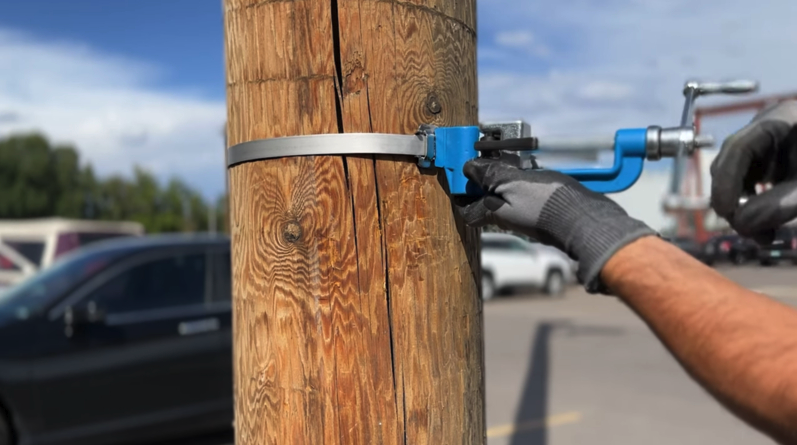
Public infrastructure is designed to operate continuously, often in full view of the community it serves. Traffic signals, street cameras, public Wi Fi equipment and broadband hardware are expected to work without interruption, regardless of weather, vibration or time. When something fails, the issue is rarely isolated. Delays ripple outward, safety is questioned and trust is tested.
While attention often centers on electronics and software, many outages trace back to smaller components that hold systems in place. Fastening and mounting hardware may not be the most visible parts of an installation, but they often determine whether equipment stays secure, aligned and operational for years or requires frequent repair.
Public Infrastructure Comes With Unique Risk
Infrastructure installed in public spaces faces conditions that few controlled environments can match.
- Equipment is exposed to wind loading, temperature swings, corrosion and constant vibration
- Access for maintenance is limited and often requires lane closures or bucket trucks
- Many installations are expected to remain in place for decades with minimal intervention
Failures in these environments carry consequences that go beyond day-to-day operations.
- A loose camera or damaged cable on a city street becomes a public safety concern
- A failed mounting point on a utility pole can interrupt service for hundreds or thousands of users
- Repairs often require urgent response, specialized crews and public coordination
These risks place greater responsibility on engineers, project managers and sourcing teams to think beyond initial installation and account for long-term performance.
For local municipalities and their contractors, this is why infrastructure decisions increasingly follow specifications proven across broader municipal systems. Looking at how cities manage public infrastructure helps set expectations for every component involved, including those that are easy to overlook.
Where Fastening and Mounting Failures Cause the Most Disruption
Traffic Control and Intelligent Transportation Systems
Traffic cabinets, signal heads, sensors and roadside cameras rely on stable mounting and consistent fastening. When fastening systems loosen or corrode, equipment can shift or disconnect, leading to outages that require immediate response.
In many cases, these failures stem from hardware that was not designed for sustained outdoor exposure or long-term vibration. Lessons from past installations show how pole-mounted equipment can fail prematurely when mounting systems are underspecified or improperly matched to the environment. Addressing common pole mounting failure points early in the design process reduces emergency maintenance and keeps traffic systems operating as intended.
Public Surveillance and Connected City Technology
Street level surveillance and connectivity hardware must remain stable to function correctly. Camera movement can compromise image quality. Cable abrasion due to weathered fastening methods can interrupt power or data. Over time, small amounts of motion or wear add up.
Telecommunications installations in industrial and municipal settings often share these challenges. Solutions developed for industrial telecommunications applications emphasize thoughtful cable routing and mounting methods that resist movement and environmental stress without relying on frequent adjustment.
Signage and Telecom on Utility Poles
Broadband expansion, small cell deployments and municipal networks continue to increase the amount of equipment installed on utility poles. These poles vary widely in diameter, material and condition. Equipment often must be installed without drilling or welding and within tight clearance limits.
Experience from small cell projects shows that failures often originate at connection points rather than the electronics themselves. Consistent mounting methods and reliable banding approaches help reduce these risks and support long term stability across pole conditions.
Why Sourcing Decisions Extend Beyond Initial Price
Fastening and mounting hardware are often selected late in the project cycle, sometimes based on availability rather than suitability. While upfront cost matters, it represents only a fraction of what a component will cost over its service life.
When hardware loosens, corrodes or damages cables, crews must be dispatched for repairs. Traffic control plans may be required. Equipment may need to be replaced earlier than expected. Over time, these outcomes far outweigh the savings of choosing lower-grade components.
Strategic sourcing managers increasingly weigh factors such as:
- Installation consistency
- Material performance
- Compatibility across applications
Decisions made at the component level can influence maintenance schedules, service reliability and budget predictability for years.
What Engineers and Project Managers Should Look For
Engineers responsible for specifying infrastructure components tend to prioritize repeatability and durability. In public-facing applications, fastening systems must perform consistently despite variation in materials, geometry and installation conditions.
Key considerations include:
- The ability to accommodate varying mounting configurations and mixed materials without compromising security
- Performance in constrained installation environments where access and clearance are limited
Mounting hardware intended for outdoor use should maintain holding strength under continuous vibration and prolonged weather exposure. Cable fastening methods must also protect cable jackets and insulation while resisting movement over time.
In many installations, stainless steel banding provides the strength and corrosion resistance needed to secure cables and equipment without creating sharp edges or stress points.
Consistency across installations is critical, especially when multiple crews are involved.
- Well-designed band and buckle systems help crews achieve repeatable results even when site conditions vary
- Reliable mounting hardware and brackets keep equipment fixed in place over long service intervals, reducing the need for adjustment or rework
Safety and Community Trust Are Tied to Reliability
Infrastructure failures are rarely invisible. A downed signal or disconnected camera is noticed immediately by the public. Repeated outages can erode confidence in municipal projects and raise questions about safety and oversight.
Choosing fastening and mounting solutions built for outdoor infrastructure helps reduce these risks. When equipment stays secure and systems operate as expected, communities experience fewer disruptions and maintenance teams spend less time responding to preventable issues.
Designing Infrastructure That Holds Up Over Time
Public infrastructure is built with the expectation that it will last. That expectation applies not only to major systems, but also to the components that hold them together. Treating fastening and mounting hardware as integral parts of the system, rather than afterthoughts, leads to more reliable outcomes.
Engineered band and buckle systems and application-specific mounting hardware support installations that remain secure under real world conditions. Over time, these choices help reduce maintenance demands, support public safety and protect the reputation of the organizations responsible for the infrastructure.
For projects where long-term reliability matters, contact BAND-IT to discuss fastening and mounting solutions used across public infrastructure applications.